
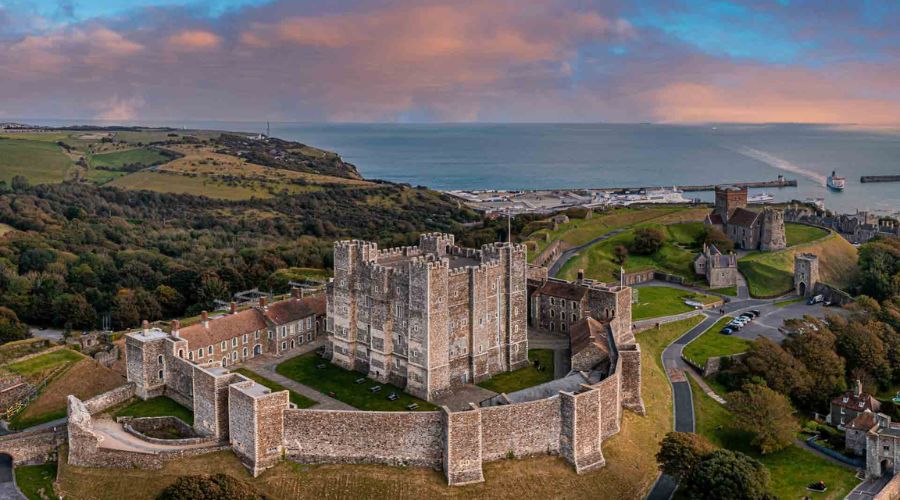
Many heritage sites in the UK provide an authentic experience of its diverse and rich past. These locations, which range from massive castles to prehistoric stone circles, offer profound insights into the cultural and historical development of Britain in addition to showcasing architectural wonders.
Here are some of the must-visit UK UNESCO Heritage Sites, each telling its unique story:
1. Stonehenge
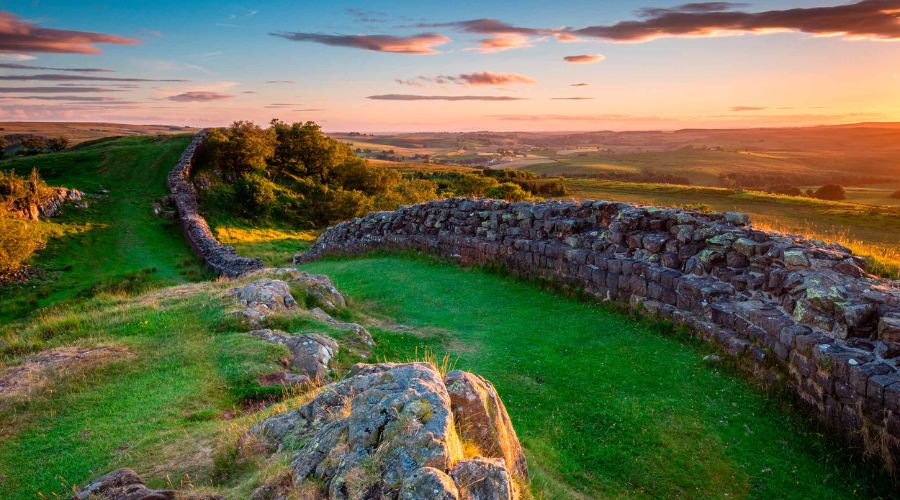
The world’s most famous prehistoric structure is probably Stonehenge. The origins and purpose of this ancient stone circle, which is made up of enormous stones arranged in a circle, continue to confound historians and archaeologists. Stonehenge is thought to have been a ceremonial place, maybe connected to astronomical observations, when it was constructed more than 4,000 years ago. The location is a fascinating place for anyone interested in ancient history because of the surrounding scenery, which includes the nearby Avebury Stone Circle.
The Mystery About Stonehenge
How the architects built Stonehenge is one of the main mysteries surrounding it.
Using antler picks, workers would have excavated the ditch and bank itself to a depth of roughly six feet, then piled soil to create a bank that was roughly six feet high. Fresh chalk would have made a striking contrast to the surrounding grassland at the time it was created.
Stonehenge is built by artisans in a manner similar to excellent woodworking. The stones fit together precisely because of their finely cut joints and sockets. The use of horizontal stones to form arches is what distinguishes Stonehenge. These stones were expertly designed to stay level even in sloping terrain. They have also given the stones a distinctive shape by shaping them into blocks with flat sides.
2. Edinburgh Castle
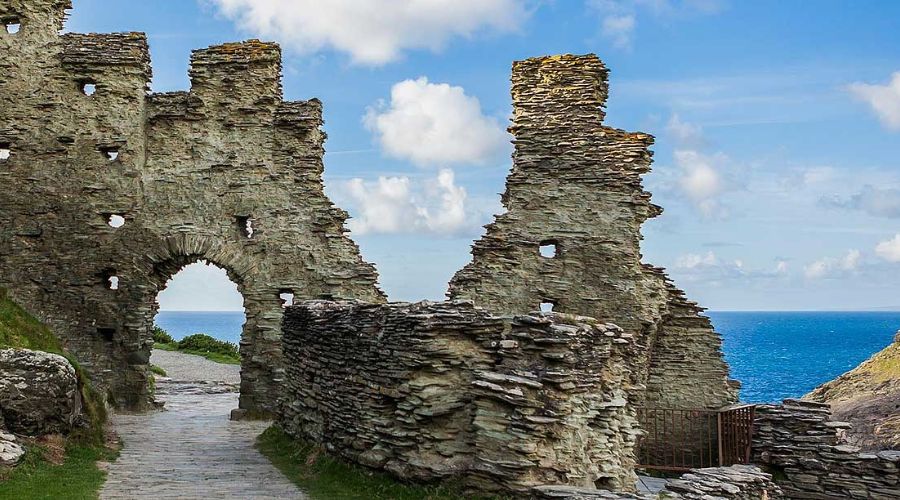
Edinburgh Castle, a representation of Scottish tenacity and legacy, is perched atop Castle Rock in the center of Scotland’s capital. For ages, this ancient stronghold has served as a royal home, a military base, and a representation of patriotism. The Stone of Destiny, which is used in the coronation of Scottish monarchs, the Crown Jewels of Scotland, and its imposing fortifications are all open to visitors. The castle’s battlements offer sweeping vistas of Edinburgh, adding to the landmark’s grandeur.
Fun Facts About Edinburgh
- In 1437, Edinburgh took the place of Scone as the capital of Scotland.
- Edinburgh’s 1.12-mile Royal Mile extends beyond its moniker.
- Edinburgh is among the world’s most haunted cities.
- In 1369, Edinburgh declared the mythical unicorn to be the national animal of Scotland.
- Princes Street Gardens was created in Edinburgh by draining a lake that was filled with sewage.
- To make it easier for passengers to catch trains, the clock at Edinburgh’s Balmoral Hotel runs three minutes faster.
- Edinburgh Castle is situated atop an extinct volcano that is 700 million years old.
- Edinburgh Castle’s rulers were able to listen in on visitors through a secret window above the fireplace.
- In the British Isles, the oldest crown jewels still in existence are the Honours of Scotland.
- The world’s biggest arts festival is the Edinburgh Fringe Festival.
- The world’s first city to have a fire department was Edinburgh.
- In 1829, Edinburgh’s most famous failure was abandoned for £16,000.
- UNESCO has designated Edinburgh’s Old Town and New Town as World Heritage Sites.
- Edinburgh, Scotland, served as the inspiration for J.K. Rowling’s Harry Potter novels.
- The world’s biggest literary festival takes place in Edinburgh.
- The only train station in the world with a novel name is Waverley Station in Edinburgh.
- Sir Nils Olav, a knighted king penguin, resides at the Edinburgh Zoo.
3. Hadrian’s Wall
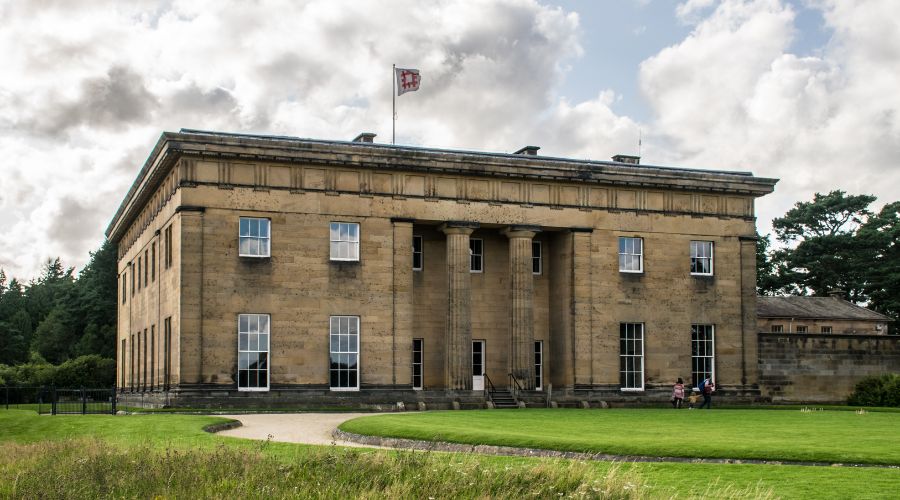
Hadrian’s Wall is an amazing remnant of Roman Britain that stretches across Northern England from Wallsend on the River Tyne to Bowness-on-Solway on the Solway Firth. The wall was built in the second century AD as part of Emperor Hadrian’s order to delineate the northern edge of the Roman Empire. The remains of the wall provide a physical link to the past, and the numerous forts and milecastles along the way offer more perspectives on life on the outskirts of the empire.
Some interesting facts about Hadrian’s Wall
- The construction of the Wall required about 15,000 men and six years.
- There were Syrian soldiers stationed there.
- Following the fall of the Roman Empire, the Wall was not abandoned.
- Only 10% of the ancient Wall is visible.
- England and Scotland have never been separated by Hadrian’s Wall.
- Originally, Hadrian’s Wall was constructed in part of turf.
- The precise path taken by the Wall is unknown.
4. Bath
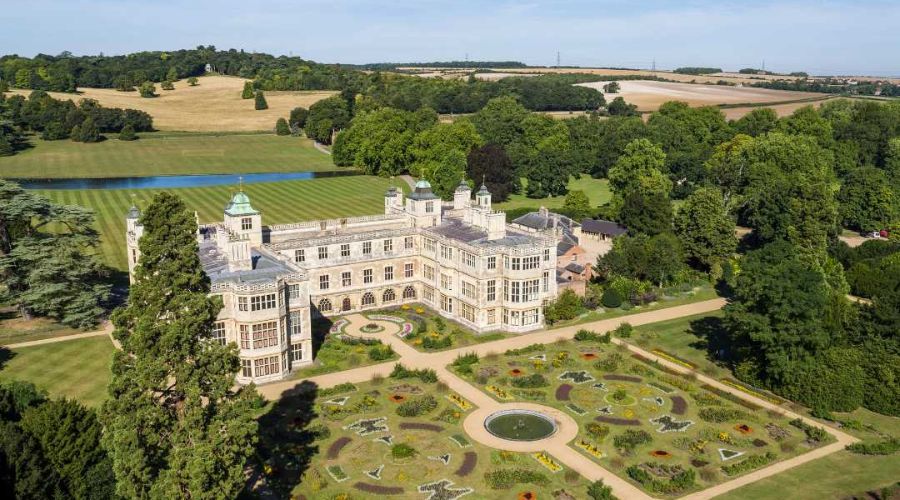
Bath, a Georgian city in Somerset, is famous for its beautiful Georgian architecture and the Roman Baths, which have been maintained. One of the city’s highlights is the Roman Baths, a complex of thermal springs and bathing facilities. The Royal Crescent and the Georgian Crescent in Bath are prime examples of 18th-century urban planning and include exquisite architecture. The city’s spa culture, which has its roots in its Roman past, is drawing tourists looking to unwind and learn about the past.
Curious Facts About Bath
- UNESCO has designated Bath as a World Heritage Site.
- Bath has its own currency.
- Bath was a place that Charles Dickens once visited.
- Bath has served as the backdrop for numerous motion pictures.
- Sleight is a magic bar in Bath.
5. Westminster Abbey
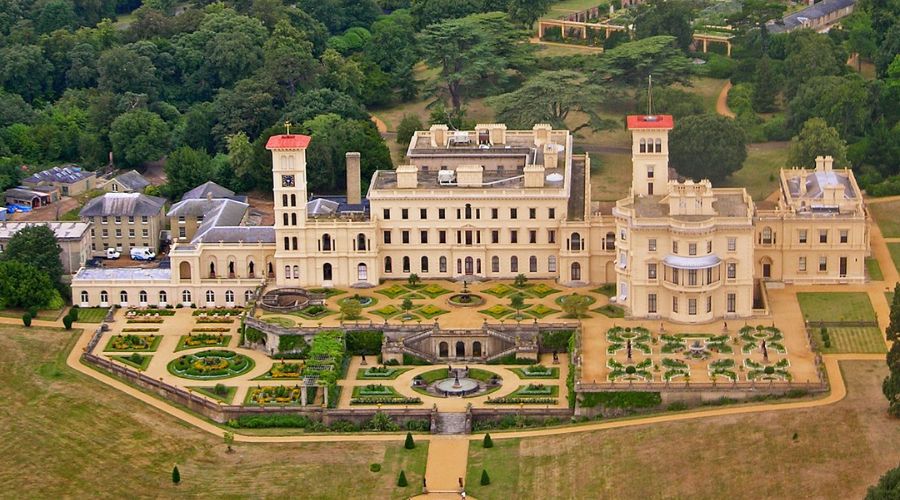
One of the most significant religious and historical landmarks in the United Kingdom is Westminster Abbey, a Gothic masterpiece located in London. The Abbey is closely linked to British history as the customary location for royal rites, such as coronations and funerals. Its abundance of historical monuments and relics, including the tombs of famous people like Charles Dickens and Isaac Newton, rivals its architectural magnificence. Anyone interested in Britain’s royal and cultural heritage should pay a visit to the Abbey because of its rich history and stunning architecture.
Fascinating Facts About Westminster Abbey
- Originally, Westminster Abbey stood on an island.
- Edward the Confessor rebuilt it.
- In reality, Westminster Abbey is not an abbey.
- The floor of Westminster Abbey can foretell the future.
- Royal weddings are also hosted by Westminster Abbey.
Conclusion
Britain’s castles and monuments provide fantastic backgrounds for our most important cultural events, from music festivals to fancy dress parties, revitalizing these legendary venues. Why do you wait? Plan your trip now and explore the UK’s rich historical culture. For more travel guides, visit www.thepennywize.com.
FAQs:
Which is preferable, English Heritage or the National Trust?
Every experienced traveler will have a preference between the two. Admirers of strong Norman castles will probably support English Heritage, whereas those who like opulent aristocratic residences will probably support the National Trust.
Name the best castle in the UK.
Here are some that will make top places to visit:
- Dover Castle
- Kenilworth Castle
- Tintagel Castle
- Bolsover Castle
- Portchester Castle
- Warkworth Castle
- Dunstanburgh Castle
- Carisbrooke Castle
Is a day trip to Oxford worth it?
Oxford is a very accessible city, so you can see most of the sights in a single day, but a longer visit is necessary if you want to carefully see each cultural attraction. Plan a fall or winter excursion around the museums and tea cafes, as British weather may be fickle.