
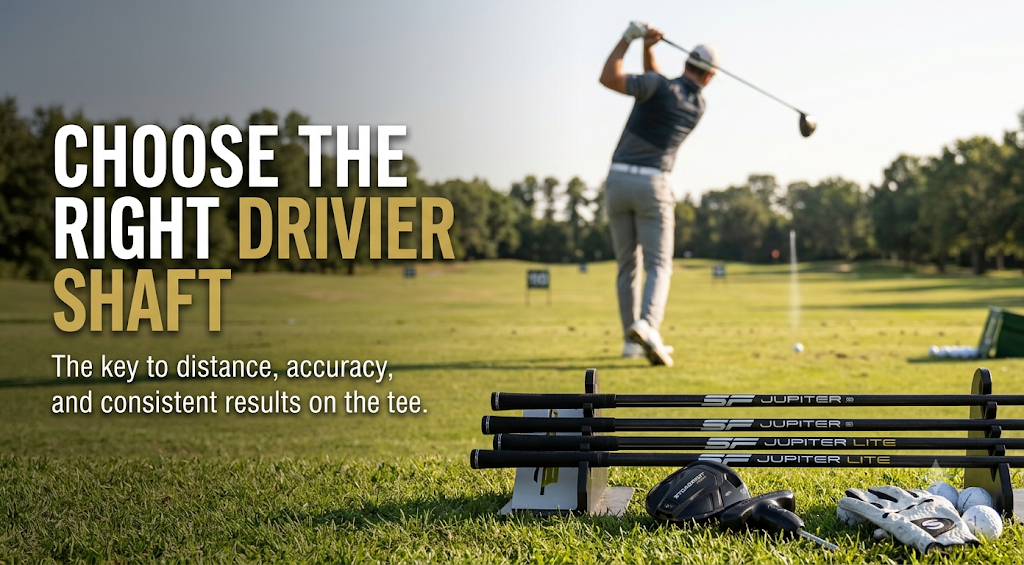
Choosing the right driver is important, but have you ever thought about how much the shaft affects your golf game? Many golfers spend hours comparing driver heads, lofts and brands but often overlook the shaft.
The truth is that the right driver shaft can make a noticeable difference in your distance, accuracy and overall control. A shaft that suits your swing can help you hit straighter shots and get more consistent results.
Whether you are a beginner or an experienced golfer, this Steadfast Golf Guide will help you understand driver shafts and choose the right one for your game in 2026.
Why Does Your Driver Shaft Matter?
The driver shaft plays an important role in how your club performs during a swing. It connects the clubhead to the grip and helps transfer energy when you hit the ball. Its weight, length, flex and material can all affect your shots.
A shaft that does not match your swing may create problems. For example, a shaft that is too stiff can make it difficult for some golfers to generate enough launch and distance. On the other hand, a shaft that is too flexible may cause inconsistent shots and make it harder to control the ball. The right shaft helps you find a better balance between distance, accuracy and feel. It can also make your swing more comfortable and predictable.
Understand the Different Types of Driver Shafts
Before buying a new driver shaft, it is important to understand the main options available. Most driver shafts are made from graphite or steel, although graphite is the more common choice for modern drivers.
1. Graphite Shafts
Graphite shafts are lightweight and help golfers generate higher swing speeds without putting too much effort into their swings. They are available in different weights and flex options, making them suitable for beginners, intermediate players and professionals. Most modern drivers use graphite shafts because they offer a good combination of distance, flexibility and comfort.
2. Steel Shafts
Steel shafts are heavier than graphite options and are generally more common in irons. They offer a firm feel and can provide good feedback, but they are not widely used in modern drivers. For most golfers looking to buy a new driver in 2026, graphite is the more practical option.
Choose the Right Shaft Flex for Your Swing Speed
Shaft flex is one of the most important things to consider when choosing a driver shaft. It describes how much the shaft bends during your swing. Different golfers need different levels of flexibility depending on their swing speed and tempo. Here are the common shaft flex options:
- Ladies Flex (L): This is designed for golfers with slower swing speeds. It allows the shaft to bend more easily and can help generate additional launch.
- Senior Flex (A): Senior flex is generally suitable for golfers with moderate or slower swing speeds who need a little more flexibility.
- Regular Flex (R): This is a popular choice for recreational golfers with moderate swing speeds. It offers a balance between distance and control.
- Stiff Flex (S): Stiff shafts are usually suitable for golfers with faster swing speeds who want better stability and control.
- Extra Stiff Flex (X): This option is designed for golfers with very fast swing speeds who need a firmer shaft during their swings.
However, swing speed should not be the only factor. Your swing tempo, release pattern and ball flight also matter. A professional fitting can help you find the right flex instead of relying on general speed ranges.
How Does Shaft Weight Affect Your Golf Game?
Shaft weight can change how your driver feels and performs. A lighter shaft may help you swing faster, while a heavier shaft can provide a more stable feel for some players. If you struggle to generate enough clubhead speed, a lighter shaft may be worth trying. It can make the club easier to swing and may help increase your distance.
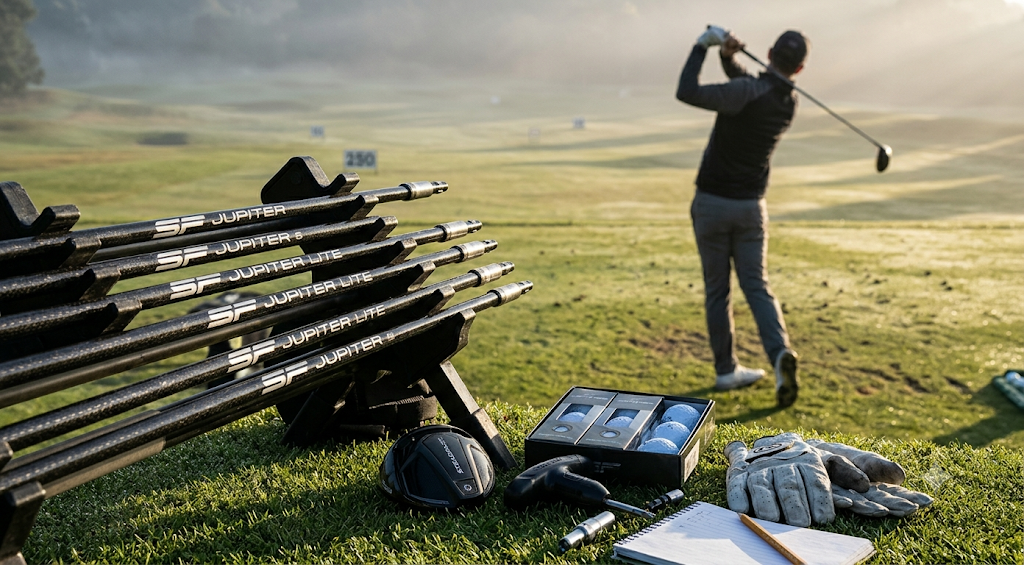
However, lighter is not always better. Some golfers find that very lightweight shafts make it difficult to control their swings. A heavier shaft may help them maintain a consistent tempo and improve accuracy. The best approach is to test different shaft weights and see which one gives you the most comfortable and repeatable swing.
Steadfast Golf Guide: Consider the Right Shaft Length
Driver shaft length is another factor that can affect your performance. A longer shaft can potentially increase clubhead speed and distance. However, it may also make it harder to find the centre of the clubface. A shorter shaft can offer better control and help you make more consistent contact with the ball.
Many golfers assume that a longer driver will automatically produce longer shots. This is not always true. If you regularly miss the centre of the clubface, the extra length may actually reduce your distance. For most players, consistent contact is more valuable than simply having the longest possible shaft. A club fitter can help you find a length that suits your height, posture and swing.
Understand Kick Point and Launch Angle
The kick point refers to the part of the shaft where it bends the most during a swing. It can influence the feel of the shaft and contribute to the launch characteristics of your shots. There are three common kick point categories:
- Low Kick Point: These shafts generally help produce a higher launch and may suit golfers who struggle to get the ball into the air.
- Mid Kick Point: These offer a balanced launch profile and can work well for a wide range of golfers.
- High Kick Point: These are generally associated with a lower launch profile and may suit golfers who already generate plenty of height.
Remember that kick point alone does not determine ball flight. Shaft flex, weight, torque, clubhead design and your swing all play a role.
Common Mistakes to Avoid When Buying a Driver Shaft
Buying a driver shaft without understanding your swing can lead to disappointing results. Here are some common mistakes to avoid.
- Choosing a Shaft Just Because a Professional Uses It
Professional golfers have different swing speeds, techniques and playing requirements. A shaft that works perfectly for them may not suit your game.
- Focusing Only on Distance
Distance is important, but accuracy matters just as much. A shaft that helps you hit longer shots but creates more misses may not improve your overall performance.
- Ignoring Shaft Weight
Many golfers focus on flex but forget about weight. Both factors influence how the club feels during a swing.
- Buying Without Testing
Never assume that an expensive shaft will automatically improve your game. Try different options before spending money on a replacement.
Why Should You Get a Professional Driver Shaft Fitting?
A professional club fitting can take the guesswork out of choosing a driver shaft. Instead of selecting one based on general recommendations, a fitter can study your actual swing and ball flight. During a fitting, the professional may check your swing speed, launch angle, spin rate, ball speed and shot direction. These details help identify which shaft characteristics are likely to work best.
You can also test different combinations of shaft weight, flex and length. This allows you to compare results and understand which option gives you better consistency. Even amateur golfers can benefit from a fitting. You do not need to be a professional to understand how the right equipment can improve your performance.
Conclusion
Choosing the right driver shaft is about finding what works with your natural swing, not simply buying the most expensive option. Flex, weight, length and kick point can all influence your distance, accuracy and comfort on the course. Take time to understand your swing and test different options, including the performance-driven designs from Steadfast Golf, before making a decision. If possible, get a professional fitting to avoid unnecessary mistakes. With the right Steadfast shaft, you can build more confidence off the tee and enjoy a more consistent golf game in 2026.
FAQ
1. Which driver shaft is best for beginners?
A. A graphite shaft with the right flex and a comfortable weight is generally a good starting point for beginners. Regular or senior flex may suit some players, depending on their swing speed and tempo.
2. Does a stiffer driver shaft increase distance?
A. Not necessarily. A stiffer shaft may suit golfers with faster swing speeds, but choosing one that is too stiff can affect launch, timing and consistency. The correct flex matters more than simply choosing a stiffer option.
3. How often should I replace my driver shaft?
A. There is no fixed replacement schedule. A good-quality shaft can last for several years if it is properly maintained. Consider replacing it if it becomes damaged or your swing changes significantly and a different shaft performs better during testing.