

Moving into a new apartment is exciting, but have you thought about what happens if your belongings are damaged, stolen, or something unexpected happens in your rental?
Renters insurance is designed to address certain risks associated with renting a home, but understanding how it works can be confusing when you’re signing a lease and juggling moving boxes.
Before settling into your new place, it helps to understand the basics, including what renters insurance generally is, why landlords may ask about it, and what to check when reviewing a policy.
What Is Renters Insurance Guide?
Renters insurance is a type of insurance designed for people who rent a home or apartment rather than own the property. Generally, it covers certain losses involving a renter’s personal belongings and other situations described in the policy. It is separate from the insurance a landlord may have for the building itself, so the two serve different purposes. The exact protection provided by renters insurance depends on the policy, insurer, location, limits, exclusions, and other terms. This is why renters should read the policy documents carefully instead of assuming that every type of damage or loss is automatically included. The details can vary considerably between policies.
Why Might Your Landlord Ask About Insurance?
Some landlords include an insurance requirement in the lease. If your new rental agreement mentions renters insurance, check the exact wording before signing. The requirement may include specific conditions, such as maintaining a policy during your tenancy or providing evidence that insurance is in place. It is important to distinguish between a landlord’s requirements and the terms of your own insurance policy. Your lease is a legal agreement between you and your landlord, while an insurance policy is a separate contract. If the two documents contain requirements or language you do not understand, consider getting clarification from the appropriate party before making assumptions.
What Can Renters Insurance Generally Cover?
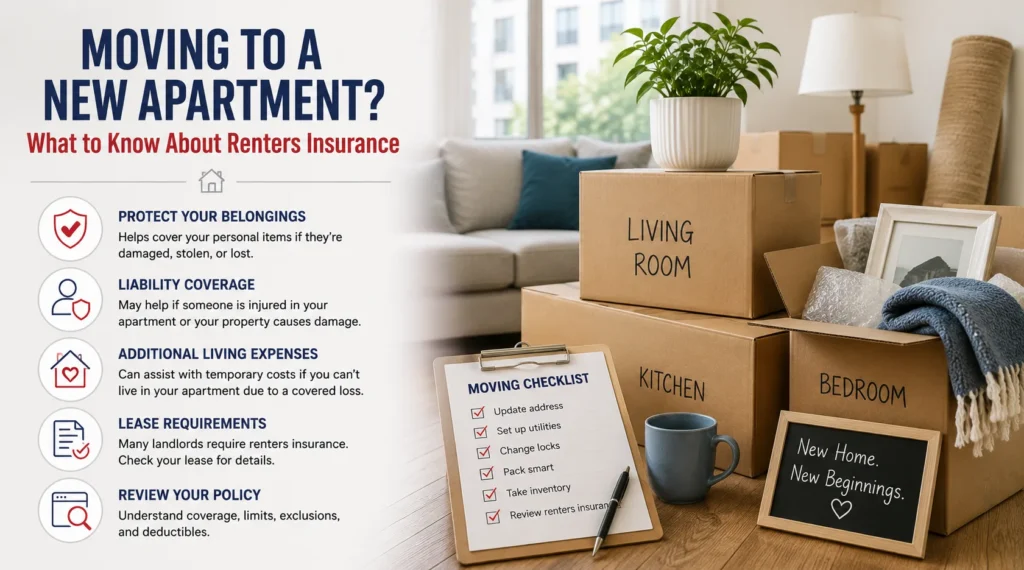
Renters insurance policies can contain several different types of protection, but the details depend entirely on the individual policy. Personal belongings may be one area addressed by a policy, although covered causes of loss, exclusions, limits, deductibles, and other conditions determine when a claim may apply. Some policies may also address certain liability-related situations or additional living expenses following a covered event. However, these protections are not universal, and the exact terms can differ by insurer and location. Rather than relying on a general list found online, read the policy documents to understand what applies to your particular situation.
1. Your Landlord’s Insurance Is Different
One common misunderstanding among new renters is assuming that their landlord’s insurance protects everything inside the apartment. In general, a landlord’s policy is associated with the property and the landlord’s interests rather than automatically covering a tenant’s personal possessions. For example, the building itself may have insurance arranged by its owner, while a renter’s belongings are treated separately. This distinction is one reason renters may encounter insurance requirements in their lease. The important thing is to understand what each agreement covers rather than assuming one policy applies to everyone living in the property.
2. Check Your Lease Before Moving In
Your lease should be one of the first documents you review when moving into a new apartment. Along with rent, security deposits, maintenance responsibilities, and move-out conditions, it may contain information about insurance requirements. Look specifically for sections mentioning renters insurance, liability requirements, proof of insurance, or minimum limits. If your lease uses terminology you do not understand, ask your landlord or property manager for clarification. Keeping a copy of the signed lease and related documents can also make it easier to refer back to the original requirements during your tenancy.
3. Take Inventory of Your Belongings
Moving is a useful opportunity to create a record of the things you own. Before unpacking everything, consider photographing or recording valuable belongings and keeping relevant receipts or purchase records where available. A simple inventory can help you remember what you have and when you acquired certain items. You can keep the information digitally or in another secure location. This does not determine whether something is covered by an insurance policy, but having organized records can make it easier to provide information if you ever need to discuss a loss with an insurer.
4. Understand Deductibles and Limits
When reviewing renters insurance, two terms you may come across are deductible and coverage limit. A deductible is generally the amount specified in a policy that may apply before an insurer pays a covered claim. A coverage limit is generally the maximum amount an insurer will pay for a particular type of covered loss, subject to the policy terms. These figures can affect how a policy works when a claim occurs. However, the numbers and conditions vary by policy, so there is no single amount that applies to every renter. Read the declarations page and policy documents carefully to understand the terms attached to your own policy.
5. Pay Attention to Exclusions
Insurance policies do not necessarily cover every possible event or type of damage. Policies can contain exclusions, conditions, special limits, and other restrictions that affect whether a particular situation qualifies for payment. This is especially important when you are moving somewhere with different weather conditions or living arrangements. Instead of assuming something is covered because it sounds like a common risk, check the actual policy language. If you are unsure about a particular term, contacting the insurer directly is the most appropriate way to get an explanation of that policy’s provisions.
6 Keep Your Insurance Information Updated
Moving into a new apartment can involve more than changing your address. Your household circumstances, belongings, roommates, and other details may change over time. If you already have renters insurance, review your policy information when your living situation changes. For example, moving to a different address may require updating your policy information. Changes to the people living with you may also be relevant depending on the policy. Companies such as Lemonade allow customers to manage insurance information digitally, but the specific process and available features depend on the policy and location.
What About Roommates?
Sharing an apartment can make the insurance question slightly more complicated. Roommates are not necessarily treated the same way under every renters insurance policy, and simply sharing an address does not automatically mean everyone has identical protection. If you are moving into an apartment with roommates, check the relevant lease terms and insurance documents. Do not assume that one person’s policy automatically covers another person’s belongings. The exact rules depend on the policy language and applicable regulations, so reviewing the documents is important before relying on a particular arrangement.
Moving Day Is a Good Time to Get Organized
Between packing, changing your address, setting up utilities, and meeting your new landlord, insurance may be easy to overlook. Creating a simple moving checklist can help you keep important documents together and make sure you understand your responsibilities before moving in. Consider keeping these documents somewhere easy to access:
- Your signed lease
- Renters insurance policy documents, if applicable
- Personal property inventory
- Receipts for important purchases
- Landlord or property manager contact details
- Insurer contact information
Having these records organized can save time later, particularly when you are already dealing with the usual chaos of moving.
What Should You Know Before Buying a Policy?
If you are considering renters insurance, avoid choosing a policy based solely on price or a short list of advertised features. Read the policy documents and understand the definitions, exclusions, deductibles, limits, and conditions that apply. The right choice can depend on your individual circumstances, but this article is not a recommendation for any particular policy, coverage, or insurance company. For questions about a specific policy, speak directly with the insurer or a qualified professional who can explain the applicable terms.
Final Thoughts
Moving into a new apartment comes with plenty of decisions, and renters insurance is one area where understanding the basics can make the paperwork less confusing. The key is knowing that renters insurance and a landlord’s insurance serve different purposes, while the exact protection available depends on the policy you have. Before moving day, read your lease, review any insurance documents carefully, keep records of your belongings, and understand the terms that apply to you. Whether you are researching providers such as Lemonade or simply learning how renters insurance works, taking time to understand the documents can help you make informed decisions without relying on assumptions.
For more lifestyle details, visit this website.
FAQs
1. Is renters insurance required when renting an apartment?
A. It depends on the rental agreement and local requirements. Some landlords may include renters insurance as a condition of the lease, while others may not. Check your lease carefully for any insurance-related requirements before moving in.
2. Does renters insurance cover everything inside my apartment?
A. Not necessarily. Insurance policies can include specific covered events, exclusions, limits, deductibles, and conditions. Personal belongings may be addressed by a policy, but whether a particular item or situation is covered depends on the policy’s actual terms.
3. Is my roommate covered by my renters insurance?
A. Not automatically. Roommate arrangements can be treated differently depending on the policy and circumstances. If you share an apartment, review the policy documents and lease carefully rather than assuming that one person’s insurance applies to everyone in the household.