
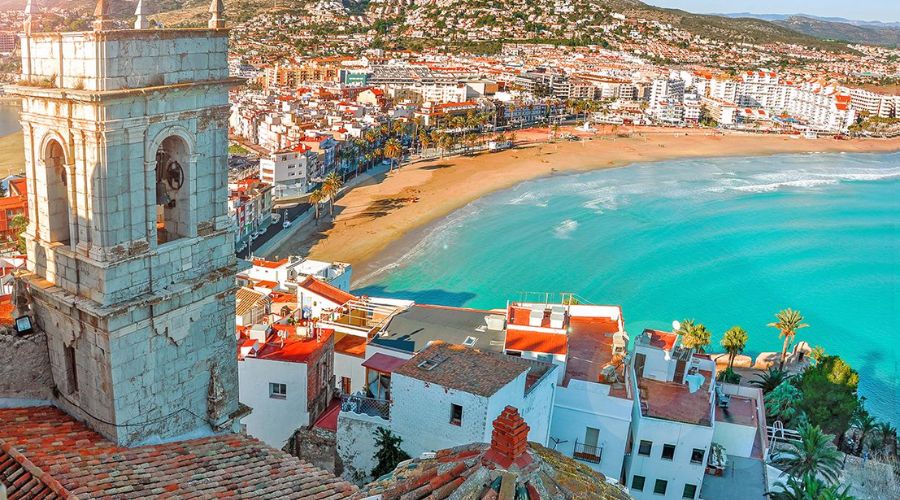
You intend to spend a week in Spain? Well done. There’s a reason Spain is the second most visited country in Europe! It has a lot to offer. But choosing what to include in your one-week schedule for Spain might be challenging with so many options.
However, we must caution you now. This plan for a week in Spain is really thorough. And we intentionally did it. For a basic itinerary that includes “two nights in here” and “one night here,” you may visit any old website. However, those plans don’t explain how to get from one location to another or what to see and do at each stop. All of that would need you to go look it up later. Not with this itinerary, though.
Our message is to prepare yourself for a quite lengthy article! If you are unable to complete it all at once, be sure to bookmark this page or save it to Pinterest for later reference. After that, get a cup of coffee, raise your feet, and let’s begin!
The Ideal One-Week Trip to Spain Itinerary
Barcelona and Madrid are the two main attractions for a first-time trip to Spain that lasts only one week. From there, you can go on a few-day trips. We suggest staying four nights in Madrid and three nights in Barcelona.
To give you a sense of what to expect from your vacation, let’s start with an outline of this incredible seven-day itinerary for Spain. You can rearrange days 5, 6, and 7 as you choose.
| Days | Cities | Overnight In |
| Days 1–3 | Barcelona | Barcelona |
| Days 4–5 | Madrid | Madrid |
| Day 6 | Toledo | Madrid |
| Day 7 | Segovia and/or Ávila | Madrid |
We recommend dividing it down like this below if you’re a typical traveler with a restricted number of vacation days. In this manner, you gain seven days in Spain while just using five vacation days.

Which Season Is Ideal for Traveling to Spain?
You may think of a trip to Spain as a land of perpetual sunshine and warmth. While many parts of Spain experience year-round pleasant weather, this isn’t the case for the locations on our itinerary. They have cold winters; however, they are not as cold as those in northern North America or central Europe. Therefore, if you choose to travel to Spain for a week during the winter, make sure to check the weather prediction before you leave and carry the appropriate coats and jackets!
But the summers are what you have to watch out for! We may say that half of the places on our route experience brutally hot summers! People say that about many places in Europe, but we’re talking about weeks where the temperature is above 100°F or 40°C every day. Trust us, if at all possible, steer clear of performing this Spain itinerary in July or August.
In light of all of that, we think that April through May and September through October are the ideal times to travel to Spain. This enables you to take advantage of the pleasant weather at each location on this ten-day plan for Spain. However, as we mentioned above, if you don’t mind, this schedule works just as well in the winter.
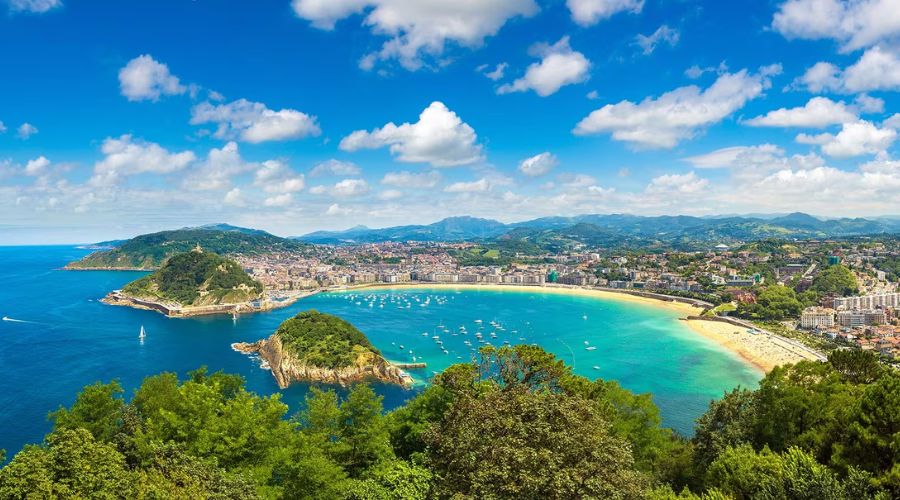
The Real Spain One-Week Itinerary
Just so you know, you can follow this schedule exactly as we have it or in the opposite order. Simply search for flights to find the most affordable direction. All right, are you ready?
Barcelona
Barcelona is the most popular tourist destination in Spain, and it makes sense! It is home to one of the most well-known football (soccer) clubs in the world and features vibrant Gaudí architecture. Therefore, it is a necessity on any itinerary for a first trip to Spain! Barcelona, which is situated near the eastern tip of Spain’s southern coast, offers all the conveniences of a large metropolis in an environment of sandy beaches, palm trees, and sea breezes. The capital of Catalonia, a region that has been attempting to break away from Spain since 2017, is Barcelona.
Things to Do Over Three Days in Barcelona
Three days is the bare minimum of time needed to “see everything” in Barcelona. As you land in Spain, make the most of your first day. You can, however, reorder days two and three as you like. If you arrive much later than intended on day one and have to go to bed immediately, you can tack the first three bullets onto day two and the fourth bullet onto day three.
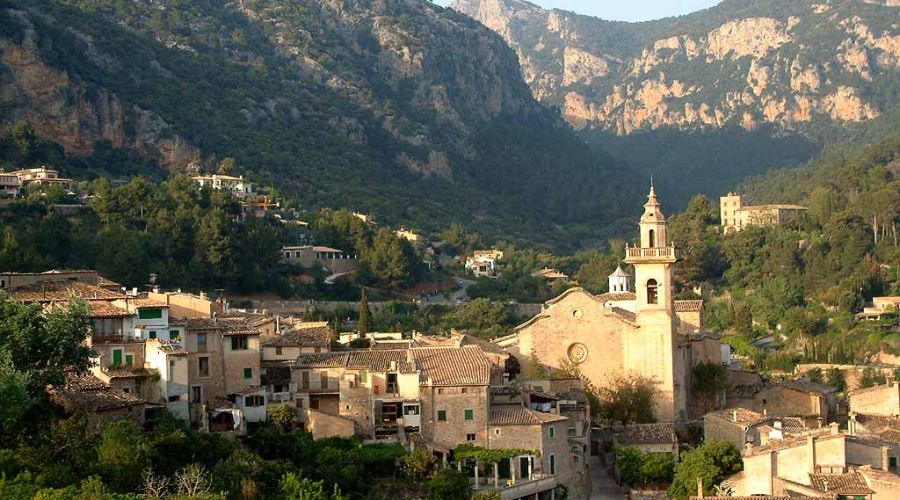
Madrid
Spain’s capital, Madrid, is the country’s largest metropolis. Although it doesn’t get as much tourism as Barcelona, we believe that’s what makes it unique. Like Barcelona, Madrid has all the energy of a big, global metropolis. However, it is not swamped by tourists, giving you the impression that you are in a real Spanish city.
Activities for One and a Half Days in Madrid
You might assume that Madrid, Spain’s capital, would merit more days than some of the other locations on this seven-day itinerary. The ideal time frame to “see it all” and experience a little bit of the large city is one to two days!

Toledo
It is a distinctive blend of Christian, Muslim, and Jewish cultures, according to the tour guides there. You will discover a distinctive fusion of cultures, and it is no wonder that it is the most popular day excursion from Madrid.
Things to Do in Toledo in a Single Day
Toledo has a ton of sights to see! Fitting everything below in may be difficult, depending on when you arrive and when you wish to depart. According on your travel preferences and time constraints, rank the attractions that are most important to you. Having said that, we have arranged the attractions in a sensible manner below (save for the last one). As a result, you can begin at either end and proceed sequentially, merely avoiding the attractions you choose not to see.
- This enormous Roman Catholic church is called Santa Iglesia Catedral Primada de Toledo.
- The Roman arch bridge known as the Puente de Alcántara
- Museo de Santa Cruz: The museum is housed in a beautiful 16th-century edifice that is worth seeing on its own.
- Alcázar de Toledo: Constructed on the highest point in Toledo, this stronghold was named after the Arabic word for strength or fortress, Al Qasar.
Avila and Segovia
The most well-liked medieval day trip from Madrid is probably Toledo. However, there are plenty of other worthwhile day trips in the area! Two such locations are Avila, which is well-known for its fairy tale-like city walls, and Segovia, which is well-known for its Roman aqueduct and Disney-like castle. You will therefore be able to experience portions of Spain that not all foreign visitors are able to fit into their schedule by going to these two locations!
Activities in Segovia on a Half-Day
It is recommended that you spend your half-day visit to Segovia mostly on the three main attractions.
- Segovia’s Roman Aqueduct: One of the biggest and best-preserved aqueducts in the Roman world, it was constructed in the first century. For close-up pictures, be sure to climb the side steps!
- One of the last cathedrals constructed in the Gothic style is Segovia Cathedral. Even if the cathedral is lovely and spacious, we suggest you visit the tower.
- The guided tour lasts one hour and is offered at specific times every day. The official website allows you to book tickets in advance, examine the cathedral, and view the tour hours.
- Alcázar of Segovia: You won’t want to miss this picture-perfect castle.
And Just in Case You Need One Last Recap
Spain Itinerary: 7 Days
- Day 1: Barcelona
- Day 2: Barcelona
- Day 3: Barcelona
- Day 4: Madrid
- Day 5: Madrid
- Day 6: Toledo
- Day 7: Segovia and/or Avila
FAQs:
Q1. Are Indians paying too much in Spain?
Ans: Because travel and lodging are more reasonably priced during the off-season, the expense of a trip to Spain from India can also be effectively managed. During the off-season, the average cost of an airline ticket might be anywhere from INR 25,000 to more than INR 50,000.
Q2. How much should I plan to spend in Spain?
Ans: The average cost of a week-long trip to Spain for a budget tourist is $889. If money is really tight, you can survive in Spain for a week on an average of $650. A premium trip to Spain typically costs $2,500, while a one-week trip in the midrange typically costs $1,200.
Q3. Is Spain more affordable than India?
Ans: Living expenses in Spain are, on average, 285 percent more than those in India. In comparison to India, the average cost of utilities and rentals in Spain is almost 275% higher. Expenses that don’t vary significantly are those of groceries and beer.